the core of the work
Meditation
The quiet that rewires everything.
Meditation is not escape, performance, or a wellness trend. It is the disciplined inner science of training the nervous system, attention and awareness — so reality is experienced differently, from the inside out.
what meditation actually is
Not silence. Awareness.
Meditation is not about stopping thoughts. It is about becoming aware of them — and through that awareness, no longer being controlled by them.
Ancient yogic and contemplative traditions did not develop meditation for relaxation. They developed it as a precise technology for transforming human experience — directly, through awareness, not belief.
Meditation was considered one of the highest dimensions of inner transformation.
Over time, a meditation practice helps a person:
- observe thoughts without immediately reacting
- reduce emotional suffering
- become less controlled by fear and anxiety
- regulate the nervous system
- develop deeper self-awareness
- break unconscious behavioral patterns
- cultivate compassion and emotional balance
- experience inner stillness and presence
why it matters
What changes when you practice
Lower Anxiety
Calms the stress response and quiets reactive thinking.
Better Focus
Strengthens attention networks and cognitive control.
Emotional Regulation
Less reactivity, more space between trigger and response.
Nervous-System Healing
Shifts the body from fight-or-flight into rest-and-repair.
Deeper Sleep
A regulated nervous system unwinds more easily at night.
Self-Awareness
You begin to notice patterns before they control you.
Compassion
Softens self-criticism and deepens connection with others.
Inner Stillness
A quiet that holds, even in a full and demanding life.
ancient meets science
Types of Meditation & What Science Says They Do
Meditation is not one practice — it is a family of inner technologies. Each tradition trains a different dimension of mind, body, and awareness. Here are eight of the most studied, and what modern science is beginning to confirm about each.
1. Mindfulness Meditation
Ancient Purpose
To observe thoughts without becoming them.
What Science Says
- Activates the prefrontal cortex (focus, awareness, decision-making)
- Reduces activity in the default mode network (overthinking / self-talk)
- Lowers cortisol and the stress response
Real-Life Effect
You stop reacting automatically. You notice patterns before they control you.
Best For
- Anxiety
- Overthinking
- Emotional triggers
- Awareness training
Example
Watching thoughts like clouds instead of fighting them.
2. Breath Meditation (Pranayama-Based)
Ancient Purpose
Control life-force energy (“prana”).
What Science Says
- Slow breathing stimulates the vagus nerve, shifting the body from fight-or-flight into rest-and-repair
- Lowers heart rate
- Improves HRV (heart rate variability)
- Reduces panic response
Real-Life Effect
You feel safer inside your body.
Best For
- Stress
- Panic
- Nervous system healing
- Emotional regulation
3. Focused Attention Meditation
Ancient Purpose
Train concentration (Dharana).
What Science Says
- Strengthens attention networks
- Strengthens cognitive control
- Builds mental endurance — like gym training for focus
Real-Life Effect
Your brain stops jumping every three seconds.
Best For
- ADHD-like distraction
- Productivity
- Deep work
- Discipline
Example
Focusing only on a candle flame, mantra, breath, or single sound.
4. Open Awareness Meditation
Ancient Purpose
Become aware of awareness itself.
What Science Says
- Associated with meta-awareness
- Reduced emotional attachment
- Increased cognitive flexibility
Real-Life Effect
You stop identifying with every emotion. Instead of “I am angry,” it becomes “anger is happening.”
Best For
- Emotional mastery
- Spiritual awakening
- Identity healing
5. Loving-Kindness Meditation (Metta)
Ancient Purpose
Generate compassion and unconditional love.
What Science Says
- May increase positive emotions
- Improves social connection
- Reduces self-criticism
- Increases activity linked to empathy
Real-Life Effect
Your nervous system becomes less defensive.
Best For
- Self-worth
- Relationship healing
- Shame
- Loneliness
6. Visualization Meditation
Ancient Purpose
Mental creation and energetic alignment.
What Science Says
- The brain often activates similar neural pathways for vividly imagined experiences and real ones
- Used extensively by elite athletes for performance
Real-Life Effect
Your body begins rehearsing a new identity emotionally.
Best For
- Confidence
- Manifestation
- Performance
- Reprogramming beliefs
7. Body Scan Meditation
Ancient Purpose
Reconnect awareness with the body.
What Science Says
- Improves interoception (awareness of internal body sensations)
- Supports nervous system regulation
- Aids emotional processing
Real-Life Effect
You stop living only in your head.
Best For
- Trauma healing
- Stress
- Dissociation
- Emotional awareness
8. Transcendental / Mantra Meditation
Ancient Purpose
Transcend thinking through sound repetition.
What Science Says
- Can produce deep relaxation
- Encourages alpha and theta brainwave states
- Reduces stress markers
Real-Life Effect
The mind becomes quieter naturally — instead of forced into silence.
Best For
- Mental fatigue
- Burnout
- Rest
- Spiritual depth
The Bigger Scientific Insight
Meditation is not “doing nothing.” It is:
- nervous system training
- attention training
- emotional rewiring
- perception rewiring
- identity conditioning
What you repeatedly feel, think, and focus on becomes easier for the brain to repeat.
Ancient Yogic Insight That Matches Science
Yoga never treated meditation as relaxation. It treated meditation as mastery over attention, suffering, identity, and consciousness. That is why thousands of asanas were created — not for a six-pack, but to prepare the body and nervous system to sit still long enough to transform the mind.
free guided practices
Free Guided Meditations
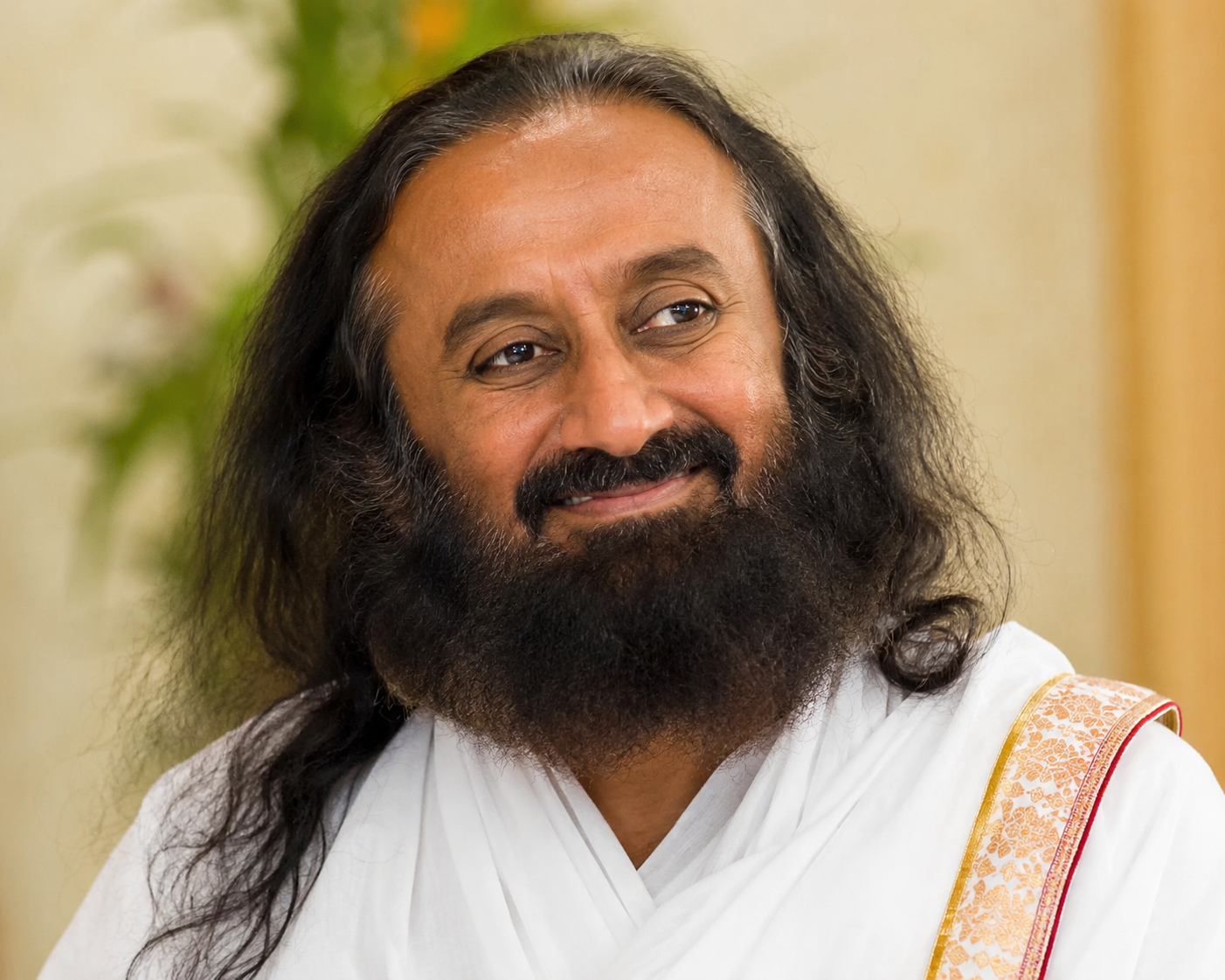
Drop into any of these to begin a practice today. Each opens on YouTube.Soul by Divya in association with The Art of Living.
- Yoga Nidra20:28Guided Yoga Nidra Meditation
- Breath Work17:56Guided Relaxation & Breath Work Meditation
- Journey Within19:43Guided Meditation for the Journey Within
- Aura Cleanse27:23Guided Aura Cleansing Meditation
- Panchkosha17:02Guided Panchkosha Meditation
- Full Moon17:02Guided Full Moon Meditation for Wiccan
- Peace19:58Guided Meditation for Peace
- Transform EmotionsGuided Meditation for Transforming Emotions by Sri Sri Ravi Shankar
- PositivityGuided Meditation for Positivity by Sri Sri Ravi Shankar
- Inner SilenceGuided Meditation for Inner Silence by Sri Sri Ravi Shankar
where to begin
Choose your pathway
Whether you want a structured program with Divya, a curated course, or a library of guided practices — there is a way in that meets you where you are.
signature program
Awareness & Meditation
Divya's flagship program — a sustainable daily practice that anchors stillness, presence and witness consciousness into a full life.
Explore the programcurated by Divya
Recommended Courses
A hand-picked selection of Mindworks meditation courses — from foundations of mindfulness to advanced wisdom and compassion practices.
Browse coursesfree library
Daily Practice Library
Guided meditations, breathwork sessions and short awareness practices to weave into your day.
Open the library“Meditation is not escaping reality. It is training the nervous system and consciousness to experience reality differently.”